
"coffee beans China"
20000 article(s) found
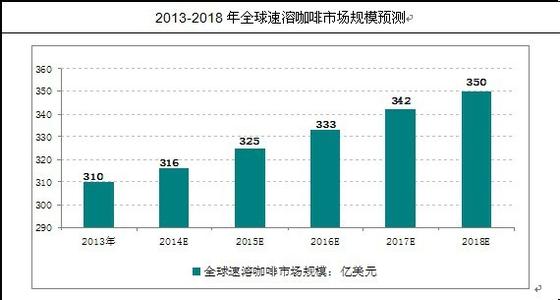
The prospect of the huge coffee market has attracted the covet of many foreign brands.
It is believed that the next 10 years will be an explosive period. At present, whether it is coffee consumption or coffee cultivation, China's industry position appears to be a bit awkward. A reporter from the Daily Economic News previously reported that as a producing area, the output of coffee beans in China is limited, accounting for less than 1% of the world's coffee consumption. Jia Benzhi, senior analyst of coffee industry at Kunming Fumin Import and Export Co., Ltd.

The "Korean Wave" of coffee consumption market is surging.
With the growth of young and fashionable people and the substantial growth of returnees and overseas travelers, coffee culture has developed rapidly in China, and cafes have become a popular place for modern urbanites to gather and relax. Statistics show that coffee consumption in China is growing at an annual rate of 10% to 15%, and the number of cafes has doubled in the past five years. Annual per capita consumption of coffee in Japan and South Korea

Why is there cheap sales in China's coffee market?
There are several reasons for the sale of cheap coffee beans in the Chinese market for the following reasons: 1. Instead of using international futures standard quality coffee beans, they are obsolete or mixed with poor quality raw beans; at present, no company in China (including Hong Kong and Taiwan) participates in trading in the international coffee futures market; 2. All domestic coffee bean packaging uses non-international standard packaging materials and non-

Coffee culture is full of every moment of life in China's "coffee culture".
According to historical records, coffee was first planted in Taiwan in 1884, which opened the prelude to the development of coffee in China. The earliest coffee cultivation in mainland China began in Yunnan, when a French missionary brought the first coffee seedlings to Binchuan County in Yunnan Province at the beginning of the 20th century. In the following nearly a hundred years, coffee was only planted in the vast territory of China. However, in recent years

A letter from Starbucks to its Chinese partner in 2023: China will become Starbucks' largest market
Professional coffee knowledge exchange more coffee bean information please follow the coffee workshop (Wechat official account cafe_style) more boutique coffee beans please add private Wechat Qianjie coffee, WeChat: qjcoffeex today, Starbucks interim CEO Howard Schultz announced the New year to his Chinese partners on the official website.
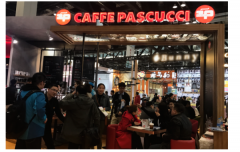
CAFFE PASCUCCI reappeared at China franchise Exhibition with high-end coffee.
The 2017 China franchise Exhibition held at the Beijing National Convention Center from March 3 to 5 brought together nearly 300 participating brands, making it the largest franchise exhibition in the world. CAFFE PASCUCCI, a century-old Italian coffee brand, once again appeared at the China franchise Exhibition this year, bringing a model of high-quality Italian coffee to investors. Big brands such as CAFFE PASCUCCI have entered China one after another.

Starbucks coffee beans made in China
Follow Cafe (Wechat official account vdailycom) found that Starbucks has opened a small shop of its own, launching the first Starbucks Yunnan coffee bean, which is made in a single producing area in China, and has been on the market for a limited time this Spring Festival. This coffee uses 100% high-quality Arabica coffee beans grown in Yunnan, which pours Starbucks' enthusiasm for preferred coffee and is the Starbucks Cloud.

Chinese coffee culture the history of coffee introduced into China is not long.
The history of the introduction of coffee into China is not long, and it was not until 1884 that coffee was first planted in Taiwan Province. In the mainland of the motherland, the earliest coffee cultivation began in Yunnan. At the beginning of the 20th century, French missionaries brought the first batch of coffee saplings to Binchuan County, Yunnan Province, and began to grow coffee in the mainland. In terms of natural conditions, many parts of our country and
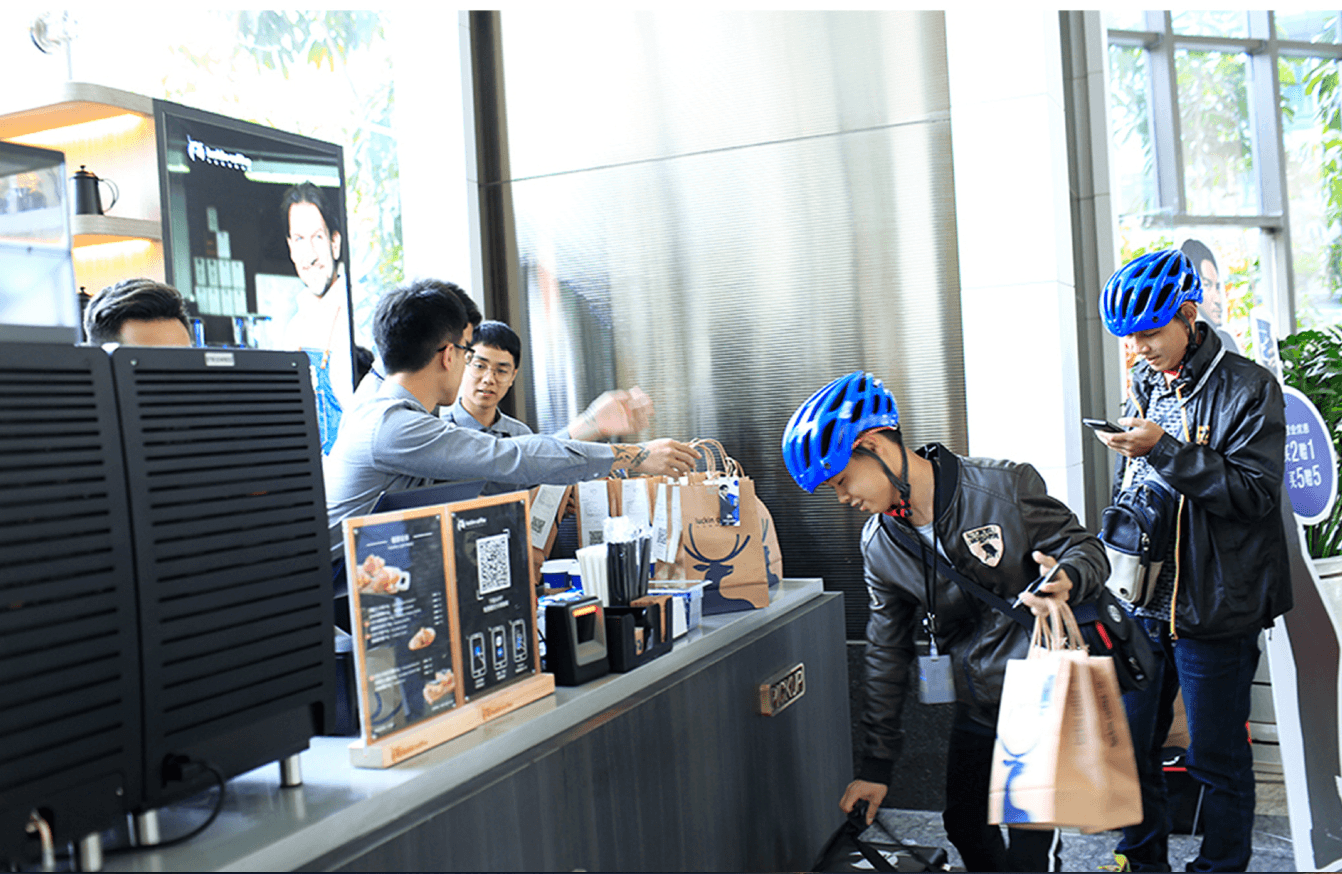
Foreign media: Luckin Coffee or Starbucks' best assists in China?
Professional coffee knowledge exchange more coffee bean information please follow coffee workshop (Wechat official account cafe_style) Luckin Coffee (Luckin Coffee) is a popular new retail coffee brand in China, the popularity of the speed may be the fastest in history, only in January 2018 began trial operation, relying on a large number of subsidies and convenient APP delivery business model, with viral media

Pay tribute to Yunnan Coffee grower Starbucks China's first coffee origin store settled in Pu'er
Professional coffee knowledge exchange more coffee bean information please follow the coffee workshop (Wechat official account cafe_style) Starbucks China's first coffee origin store opened in Pu'er City, Yunnan Province on the 21st. Through this platform, the company hopes to continue to tell the story of Starbucks working with Chinese farmers to pursue coffee quality and grow together with China's coffee industry. Pu'er is a global Allah.

From 2012 to 2016, the development of the coffee industry ranked the top five coffee in the world as coffee consumption in China.
From 2012 to 2016, the coffee consumption market entered a period of rapid development. Coffee consumption in Chinese cities, the average annual coffee consumption per person is 4 cups, even in big cities such as Beijing and Shanghai, the annual consumption per person is only 20 cups. In Japan and Britain, each person drinks an average of one cup of coffee a day. Japan and Britain are both famous tea culture countries in the world.

Cultivation of Arabica beans in China cultivation of Arabica coffee beans
The planting situation in China Arabica is deeply loved by Chinese people with a short history of coffee contact because of its strong fruity aroma. it was introduced to China by missionaries in the 19th century. It is widely planted in Panzhihua, Sichuan, and the dry-hot valley of the Jinsha River, which is more than 1000 meters above sea level in western Yunnan. The sunshine time in this area is long, and there is a great temperature difference between day and night. The local people solve the lack of seasonal rainfall by diverting water up the mountain.
The spreading history of coffee in China
According to historical records, coffee trees were first planted in Taiwan in 1884, and coffee cultivation in mainland China began in Yunnan. In 1902, a French missionary named Tian introduced seeds from "Yingong" in Binchuan County, Yunnan Province. it was successfully planted in a place called Zhu Kula, a tributary of the Jinsha River.

Coffee war: Starbucks China structure adjustment, lucky to spend 200 million yuan to do dessert business
Professional coffee knowledge exchange more coffee bean information please follow the coffee workshop (Wechat official account cafe_style) Starbucks China's structure adjustment, layout of China's new development stage May 27, Starbucks announced that from June 1, Starbucks China will adjust the existing management team structure, looking to the future, with a forward-looking layout of the new structure to meet the new stage of development. Integrated Media 5

When was coffee introduced into China? Coffee growing in Taiwan Coffee Development in Yunnan and China
The history of the introduction of coffee into China is not long, and it was not until 1884 that coffee was first planted in Taiwan Province. In the mainland of the motherland, the earliest coffee cultivation began in Yunnan. At the beginning of the 20th century, French missionaries brought the first batch of coffee saplings to Binchuan County, Yunnan Province, and began to grow coffee in the mainland. Chinese people have been drinking tea for thousands of years.
Coffee consumption market "Korean Wave" surging market space is huge
With the growth of young and fashionable people and the substantial growth of returnees and overseas travelers, coffee culture has developed rapidly in China, and cafes have become a popular place for modern urbanites to gather and relax. Statistics show that coffee consumption in China is growing at an annual rate of 10% to 15%, and the number of cafes has doubled in the past five years. The annual per capita consumption of coffee in Japan and South Korea has reached 3.
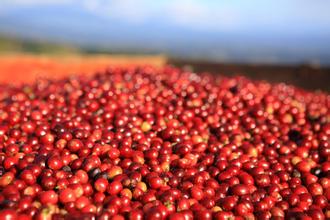
Description of taste and flavor of Rwandan coffee beans with a small proportion of exports
Mr. Albert, chief representative of the China Representative Office of the Rwanda Development Agency, when talking about the export of Rwandan coffee to China, bluntly said that the country's coffee exports to China accounted for a small proportion of its total exports.

Coffee beans from a single producing area in China, Starbucks will tell the story of Yunnan.
Follow Cafe (Wechat official account vdailycom) found that Starbucks has opened a small shop of its own and launched the first Starbucks Yunnan coffee bean, which is made in a single producing area in China, and has been on the market for a limited time this Spring Festival. This coffee uses 100% high-quality Arabica coffee beans grown in Yunnan, and is carried by Starbucks Yunnan Coffee growers support Center and local coffee farmers.
Common sense of Coffee Culture the Taste of Coffee Cultural Life in China
China in China, people like drinking coffee more and more. The coffee culture that follows is full of every moment of life. People are tasting coffee at home, in the office, or on various social occasions: it is gradually associated with fashion and modern life. Coffee shops everywhere have become good places for people to talk, listen to music and rest, and coffee has gradually developed into a kind of

Starbucks China News Wang Jingying steps down as CEO the way Starbucks invests in the Chinese market
This morning, coffee chain giant Starbucks released news: Starbucks China management team structure will be a major change, Wang Jingying will step down as CEO! At 09:25 today, Starbucks China's official Weibo released an employee letter titled "look forward to the Future along the way". In her letter, Wang Jingying made the following explanation on the change of "management team structure": Starbucks China Dong